Dive into Success: Expert Swim Coaching Tips for Swimmers
Are you ready to take your swimming skills to new heights and dive into success? In this blog post, we will explore the world of expert swim coaching, unveiling the essential techniques and strategies that can propel swimmers towards their goals. Discover the importance of having a seasoned swim coach by your side, learn how to tailor a personalized coaching plan for optimal results, and gain insights on overcoming common challenges faced in swim coaching. Whether you are a competitive swimmer aiming for the gold or a casual enthusiast looking to enhance your performance, this article is your ultimate guide to maximizing your potential in the water through advanced swim coaching strategies. Stay tuned to unlock the secrets to success in the pool!
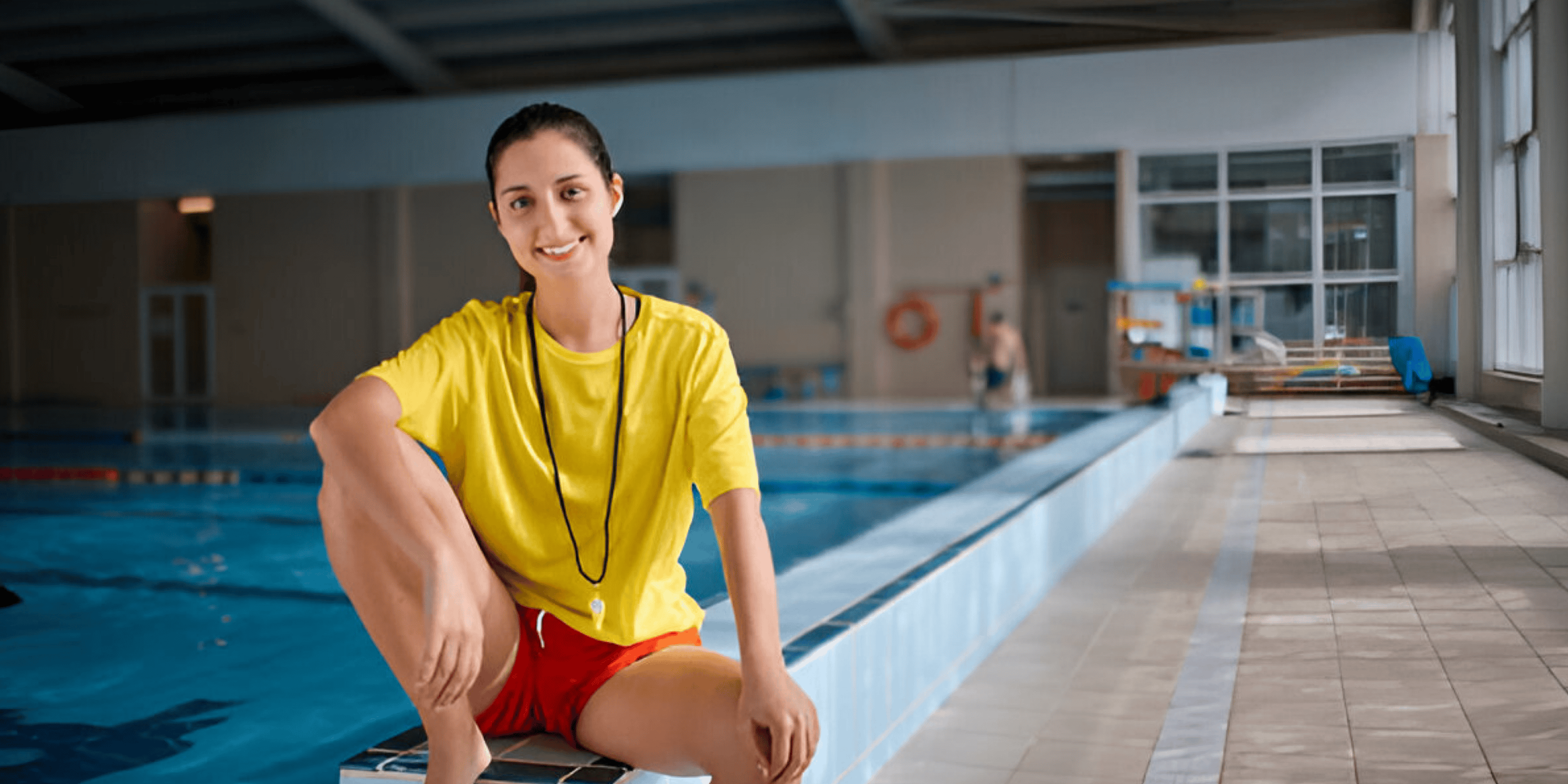
The Importance of Expert Swim Coaching for Swimmers
Expert swim coaching plays a pivotal role in the success and development of swimmers at all levels. Whether you are a beginner looking to refine your technique or an elite athlete striving for gold, having a knowledgeable coach by your side can make all the difference in reaching your full potential in the water.
One of the key reasons why expert swim coaching is so crucial is the personalized attention and feedback it provides. A skilled coach can analyze your strokes, turns, and starts to identify areas for improvement tailored to your specific needs. This individualized approach not only helps swimmers correct their mistakes but also fine-tune their strengths to maximize performance.
Moreover, swim coaching goes beyond just physical training—it encompasses mental and emotional support as well. Coaches act as mentors, motivators, and confidants, guiding swimmers through the challenges of training, competition, and setbacks. Their encouragement and expertise help build swimmers' confidence, resilience, and mental toughness, which are essential qualities for success in the pool.
Furthermore, expert swim coaching offers a structured and progressive training program that is designed to help swimmers set and achieve their goals effectively. Coaches create workout plans, track progress, and make necessary adjustments to ensure that swimmers are continually improving and staying motivated. This systematic approach not only enhances performance but also fosters discipline, dedication, and a strong work ethic in swimmers.
In essence, the importance of expert swim coaching for swimmers cannot be overstated. It serves as a foundation for growth, improvement, and excellence in the sport, empowering swimmers to push their boundaries, break personal records, and fulfill their competitive aspirations. With the guidance and support of a knowledgeable coach, swimmers can navigate the waters of success with confidence and determination
Essential Techniques for Effective Swim Coaching
When it comes to swim coaching, mastering essential techniques is crucial in guiding swimmers towards success in the water. Here are some key techniques that expert coaches utilize to enhance their swimmers' abilities:
1. **Stroke Analysis:** An effective swim coach pays close attention to each swimmer's stroke technique. By analyzing the swimmer's strokes, coaches can identify areas for improvement and provide targeted guidance for refinement.
2. **Goal Setting:** Setting achievable and challenging goals is a cornerstone of effective swim coaching. Coaches work with swimmers to establish short-term and long-term goals, creating a roadmap for success and motivating swimmers to push their limits.
3. **Personalized Training Plans:** Every swimmer has unique strengths, weaknesses, and goals. Expert coaches develop personalized training plans tailored to each swimmer's needs, ensuring that training sessions are optimized for maximum improvement.
4. **Feedback and Communication:** Clear and constructive feedback is essential for swimmers to understand their progress and make necessary adjustments. Expert coaches communicate effectively with swimmers, providing feedback on technique, performance, and overall development.
5. **Mental Preparation:** Success in swimming goes beyond physical prowess – mental preparation is equally important. Expert coaches incorporate mental conditioning techniques such as visualization, goal setting, and positive self-talk to help swimmers build confidence and resilience.
6. **Video Analysis:** Utilizing video analysis tools, coaches can provide visual feedback to swimmers, offering a unique perspective on their technique and performance. Video analysis allows swimmers to see their strokes in action and better understand areas for improvement.
By incorporating these essential techniques into their coaching practices, swim coaches can empower swimmers to reach their full potential and achieve success in the pool. Effective swim coaching goes beyond basic instruction – it involves a holistic approach that considers technique, goal setting, personalized plans, communication, mental preparation, and advanced analysis methods
Developing a Personalized Swim Coaching Plan for Success
When it comes to achieving success in swimming, having a personalized coaching plan is key. A personalized swim coaching plan takes into account an individual swimmer's strengths, weaknesses, goals, and areas for improvement. This tailored approach allows swimmers to focus on areas that need the most attention while maximizing their strengths to enhance performance in the water.
One of the first steps in developing a personalized swim coaching plan is to assess the swimmer's current skill level and performance. This evaluation can include analyzing stroke technique, endurance, speed, and overall swim efficiency. By understanding where the swimmer currently stands, coaches can identify specific areas that require improvement and set realistic goals for progress.
Once an assessment is complete, the next step is to create a customized training plan that aligns with the swimmer's goals. This plan may include a combination of practices focusing on stroke technique, endurance building, speed drills, and mental preparation. By tailoring each practice session to address specific areas of improvement, swimmers can see measurable progress over time.
In addition to physical training, a personalized swim coaching plan may also incorporate mental and emotional support. Success in swimming is not just about physical performance; it also involves mental toughness, confidence, and resilience. Coaches can work with swimmers to develop mental strategies, such as visualization techniques, goal setting, and positive self-talk, to help them stay focused and motivated during training and competitions.
Regular communication between the coach and the swimmer is vital for the success of a personalized coaching plan. By providing feedback, support, and encouragement, coaches can help swimmers stay on track with their goals and make necessary adjustments to the training plan as needed. This ongoing collaboration creates a sense of accountability and partnership between the coach and the swimmer, fostering a positive and productive training environment.
In conclusion, developing a personalized swim coaching plan is essential for swimmers who are committed to achieving success in the water. By assessing individual strengths and weaknesses, setting specific goals, tailoring training sessions, and providing mental support, coaches can help swimmers reach their full potential and excel in their aquatic endeavors

Overcoming Challenges in Swim Coaching: Tips and Strategies
Swim coaching is a deeply rewarding yet challenging profession that requires a unique blend of expertise, patience, and dedication. Coaches play a crucial role in guiding swimmers towards success, helping them overcome obstacles and reach their full potential in the water. However, navigating the various challenges that come with swim coaching can sometimes be daunting. From working with athletes of different skill levels to managing time constraints and balancing individual needs within a team setting, swim coaches face a myriad of obstacles on a daily basis.
One of the key challenges in swim coaching is adapting training strategies to suit individual swimmers' needs and abilities. Each athlete is unique, with varying strengths, weaknesses, and learning styles. A successful coach must be able to tailor their approach to meet the specific requirements of each swimmer, providing personalized guidance and support to help them excel in the water. This requires a keen understanding of each athlete's goals, motivations, and physical capabilities, as well as the flexibility to adjust training plans as needed.
Another common challenge for swim coaches is fostering a positive team dynamic while also focusing on individual improvement. Balancing the needs of the group with the goals of individual swimmers can be a delicate juggling act, requiring strong communication skills, leadership abilities, and a keen sense of fairness. Coaches must create a supportive and inclusive team environment where every swimmer feels valued and motivated to succeed, while also offering personalized feedback and guidance to help each athlete reach their full potential.
Time management is another significant challenge for swim coaches, as they must juggle multiple responsibilities both in and out of the pool. From planning and implementing training sessions to coordinating competition schedules and attending to administrative tasks, coaches have a demanding workload that requires careful organization and efficient time management skills. Finding the right balance between coaching, mentoring, and administrative duties is key to ensuring the success of both the swimmers and the team as a whole.
In overcoming these challenges, swim coaches can employ a variety of tips and strategies to enhance their coaching effectiveness. Building strong relationships with swimmers based on trust and open communication, staying current on the latest training techniques and advancements in the sport, seeking mentorship from experienced coaches, and prioritizing self-care and professional development are all essential components of successful swim coaching. By facing challenges head-on with creativity, resilience, and determination, coaches can empower their swimmers to achieve greatness in the pool and beyond
Maximizing Performance Through Advanced Swim Coaching Strategies
Swim coaching plays a crucial role in helping swimmers reach their full potential by using advanced strategies that focus on optimizing performance. Expert swim coaches not only provide guidance on technique and form but also delve into the intricacies of mental preparation, race strategies, and physical conditioning. By tailoring training plans to individual swimmers' strengths and weaknesses, coaches can effectively maximize performance and push swimmers to achieve their goals.
One key aspect of advanced swim coaching strategies is the emphasis on mental preparation. Coaches work with swimmers to develop mental toughness, focus, and visualization techniques to enhance performance under pressure. By instilling confidence and a positive mindset, coaches can help swimmers overcome self-doubt and achieve peak performance when it matters most.
Another important element of advanced swim coaching is the implementation of race strategies. Coaches analyze swimmers' strengths and competition scenarios to create personalized race plans that optimize performance. This includes pacing strategies, turns, starts, and finishes that are tailored to the individual swimmer's strengths and goals. By honing these race strategies through practice and feedback, swimmers can swim with precision and efficiency during competitions.
Moreover, physical conditioning is a fundamental component of advanced swim coaching strategies. Coaches design comprehensive training programs that target specific muscle groups, energy systems, and technical skills to improve overall performance. By incorporating a variety of training methods such as interval training, strength training, and flexibility exercises, coaches can help swimmers build endurance, speed, and power essential for success in the water.
In conclusion, advanced swim coaching strategies focus on maximizing performance by addressing all aspects of a swimmer's training regimen. By combining expert guidance on technique, mental preparation, race strategies, and physical conditioning, swim coaches play a pivotal role in helping swimmers unlock their full potential and achieve success in the pool
Conclusion
In conclusion, swim coaching plays a vital role in helping swimmers achieve their full potential in the water. From the significance of having an experienced coach to customizing coaching plans for optimal results, this blog post highlighted the essential techniques and strategies necessary for success in swimming. Overcoming common challenges and gaining insights into advanced coaching methods are key aspects that can propel swimmers towards their goals, whether they are competitive athletes or casual enthusiasts. By embracing expert swim coaching tips, individuals can dive into success and unlock their true potential in the pool